15 Popular Interior Design Styles That Transform Any Home Into a Space
Walking into a beautifully designed room feels different from walking into any other room — there is an immediate sense of ease, intention, and personality that you register before you can even name what you are looking at. That feeling is the result of a coherent interior design style applied with confidence and consistency. Whether you are designing a home from scratch, renovating a single room, or simply trying to understand why your current space does not feel quite right, knowing the defining characteristics of each major design style is the essential first step. This guide covers 15 of the most popular interior design styles in 2026 — what defines them, what makes them work, and how to know if one is right for you.
Complete Guide to the Most Popular Interior Design Styles
1. Modern Interior Design
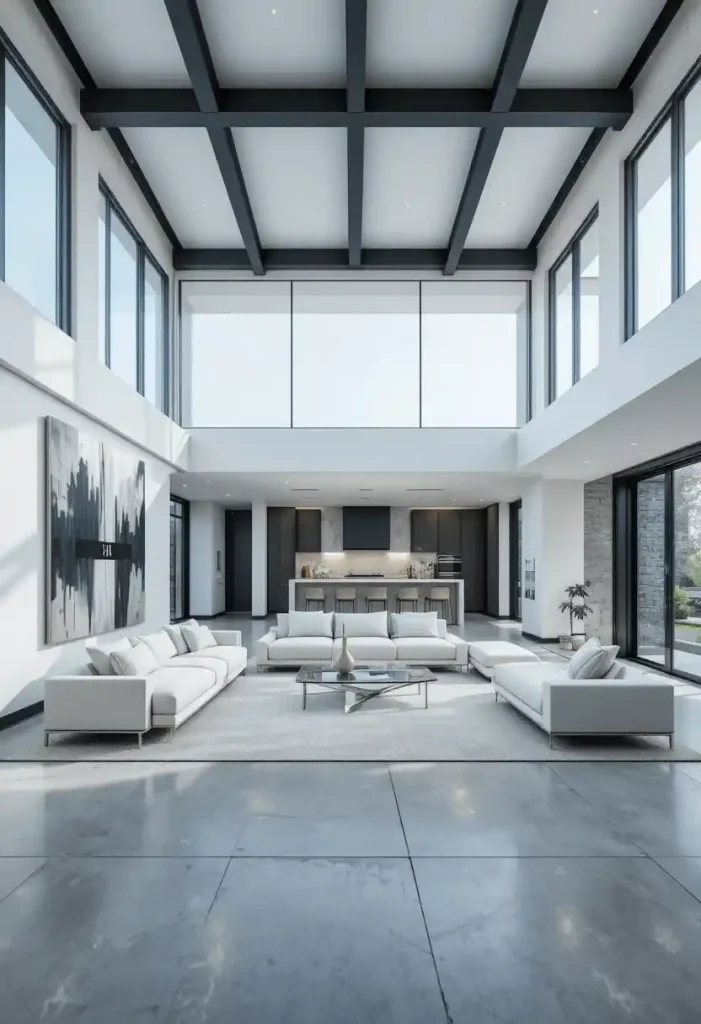
Modern interior design is one of the most misunderstood terms in home decor — it does not simply mean new or contemporary, but refers specifically to a design movement rooted in the early to mid twentieth century that prioritized function over ornamentation. The defining characteristics are clean straight lines, a neutral color palette anchored by whites, grays and blacks with occasional bold accents, open floor plans that maximize light and flow, and furniture with exposed legs that keep the visual weight of a room feeling light. Materials like chrome, glass, and smooth lacquered wood are central to the modern aesthetic. What makes modern design enduringly appealing is its discipline — every element earns its place, and the result is a space that feels calm, resolved, and quietly sophisticated.
2. Minimalist Interior Design
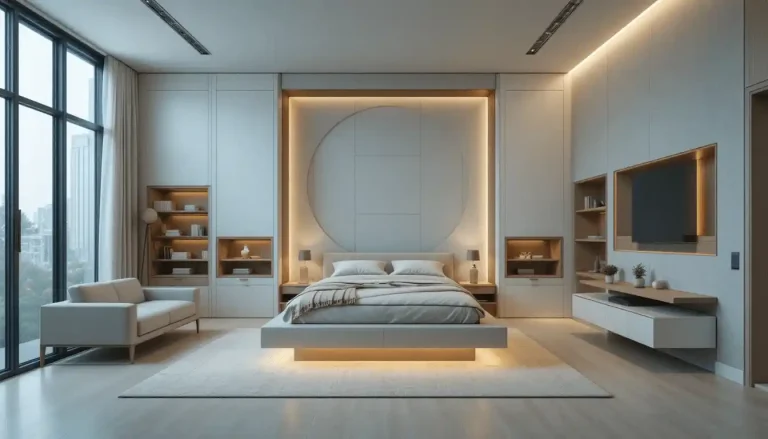
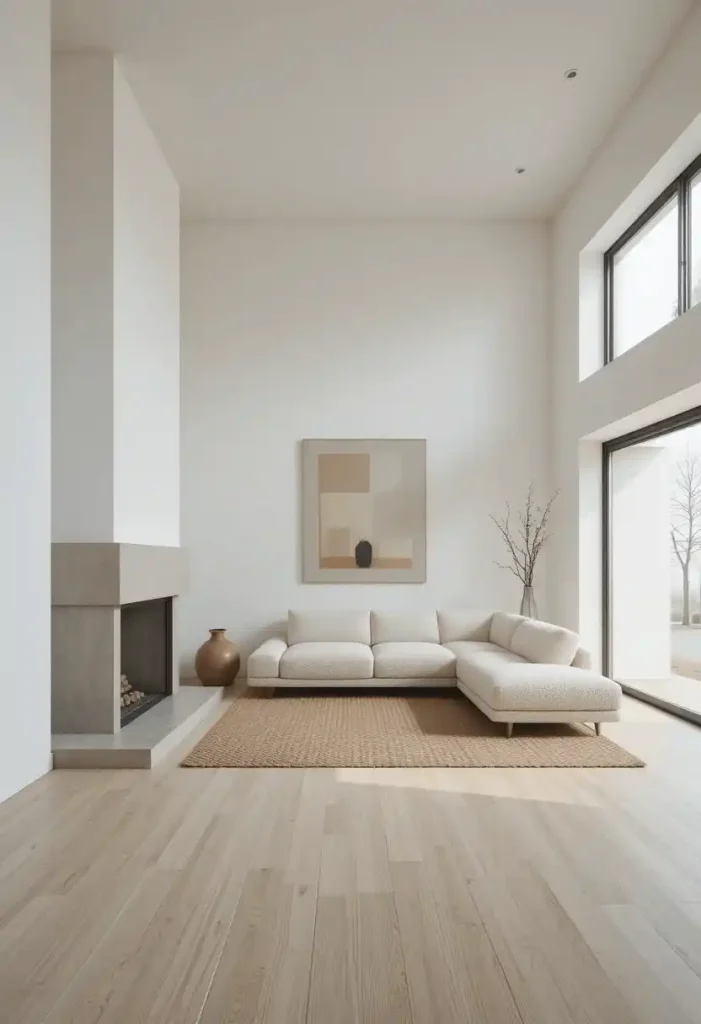
Minimalism takes the restraint of modern design and intensifies it to a philosophical degree. A minimalist interior is defined not by what is in it but by what has been deliberately left out — the unnecessary furniture piece, the decorative object that serves no function, the extra throw pillow, the artwork that does not genuinely move you. What remains is given extraordinary visual weight and attention. A single sculptural vase on an otherwise empty shelf. A perfectly proportioned sofa in an immaculate neutral. A concrete floor with a single wool rug. Living in a minimalist interior requires a genuine commitment to curation and editing, but the reward is a daily environment of remarkable calm that many people find profoundly restorative, particularly in an overstimulated world.
3. Scandinavian Interior Design
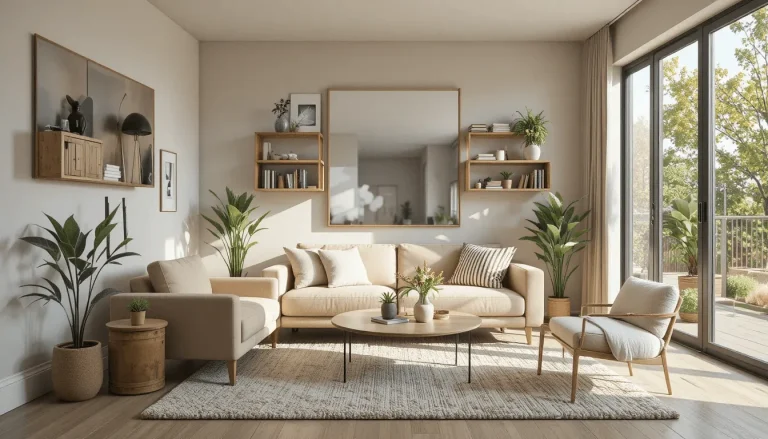
Scandinavian design emerged from the Nordic countries in the early twentieth century and has never stopped feeling relevant — because its core principles address something fundamental about how human beings want to feel at home. The aesthetic combines minimalist clean lines with genuine warmth through natural materials — light birch and pine woods, wool and sheepskin textiles, ceramic and linen — and a commitment to bringing the outdoors in through plants, natural light, and an earthy color palette of whites, soft grays, dusty blues and sage greens. The Danish concept of hygge — a feeling of cozy contentment and wellbeing — is perhaps the most accurate emotional description of what a well-executed Scandinavian interior feels like to inhabit.

4. Industrial Interior Design
Industrial design takes its aesthetic vocabulary from factories, warehouses, and urban loft spaces — exposed brick walls, raw concrete floors and ceilings, visible steel beams, ductwork left deliberately uncovered, and Edison bulb lighting that references early twentieth century industrial spaces. Furniture in an industrial interior tends toward dark woods, distressed leather, and metal frames — materials that look better aged than new. What makes industrial design surprisingly livable is the warmth that wood and leather bring to what could otherwise be a cold aesthetic. A well-balanced industrial interior feels urban, authentic, and creatively energized — like living inside a beautifully converted space with genuine history and character.

5. Farmhouse Interior Design
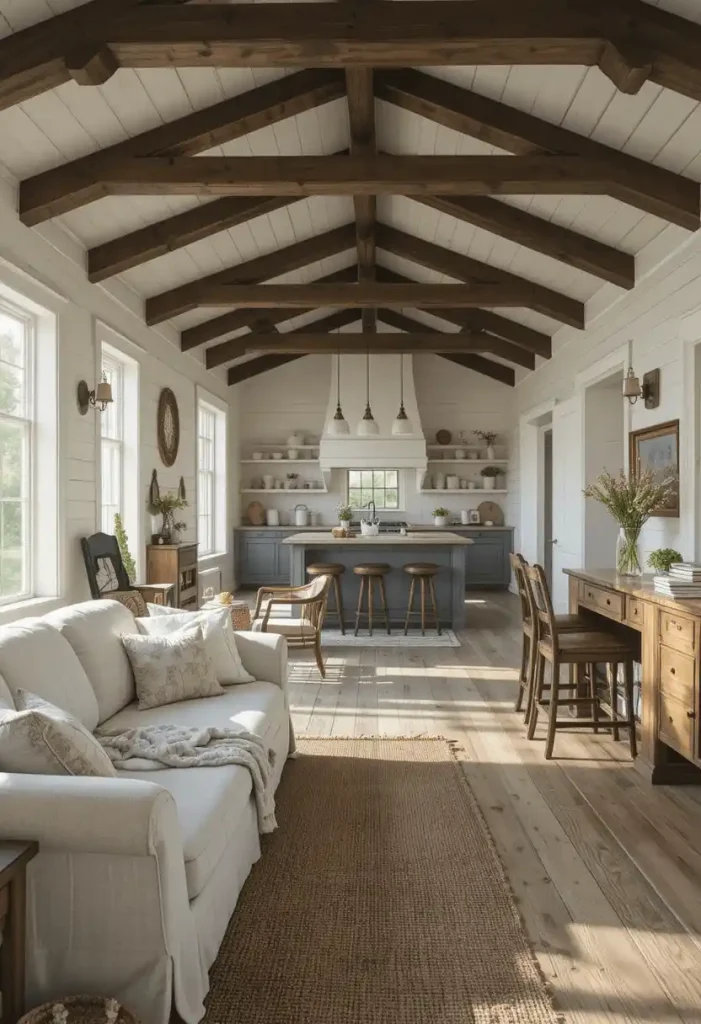
Farmhouse design has become one of the dominant residential aesthetics of the past decade, and for good reason — it strikes a deeply satisfying balance between nostalgia and practicality, between beauty and genuine livability. The defining elements are shiplap walls, exposed wooden beams on the ceiling, a neutral palette of whites, creams and warm grays, a farmhouse apron sink in the kitchen, open shelving displaying functional objects, and furniture that is substantial, comfortable and slightly imperfect in the most appealing way. Natural textures — linen, cotton, jute, reclaimed wood — are used generously throughout. The farmhouse interior communicates a home that is genuinely lived in, cooked in, and gathered in, which is precisely why it resonates so deeply with families.
6. Bohemian Interior Design
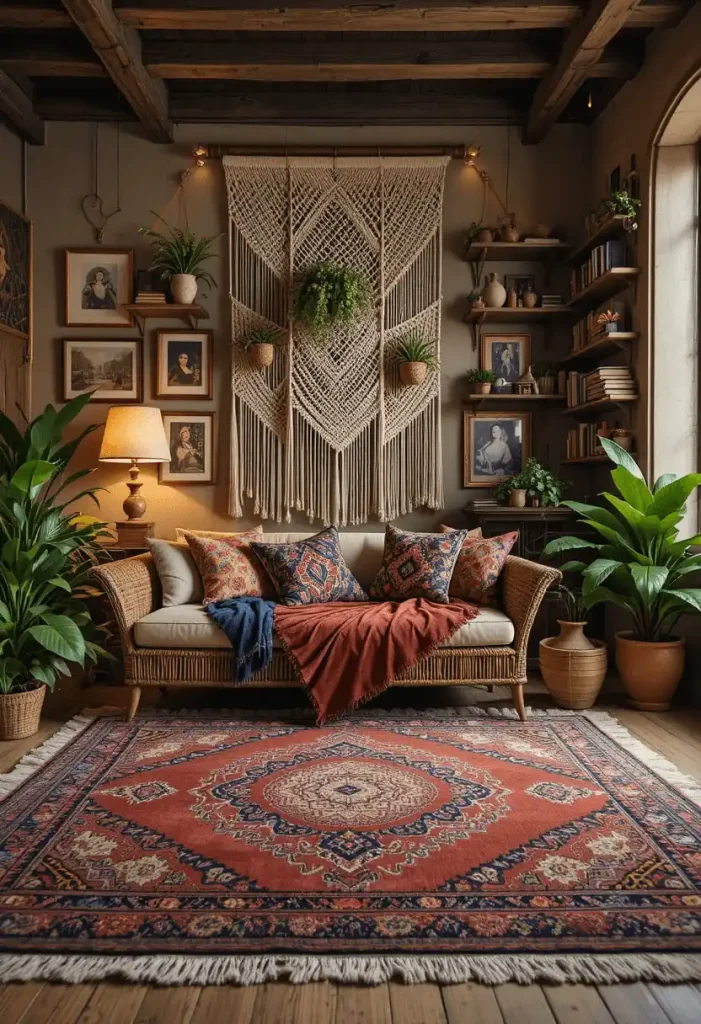
Bohemian or boho interior design is the most personal and unconstrained of all the major styles — it does not follow a rulebook so much as a feeling. That feeling is one of abundance, creativity, global curiosity, and comfortable rebellion against any aesthetic that feels too polished or prescribed. A boho interior layers pattern upon pattern — Moroccan rugs over wooden floors, Indian block-print cushions on a rattan sofa, macrame wall hangings beside gallery walls of eclectic art. Plants are everywhere, in mismatched ceramic pots. Vintage and thrifted pieces sit comfortably alongside handmade objects and global textiles. The color palette is rich and warm — terracotta, saffron, deep teal, burnt orange. Bohemian interiors reward the collector, the traveler, and anyone who believes a home should tell its owner’s story without apology.
7. Contemporary Interior Design
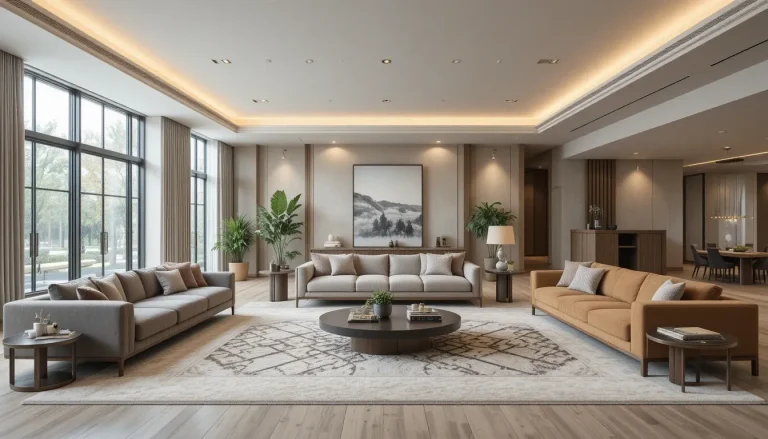
Contemporary design is often confused with modern, but the distinction matters — where modern refers to a specific historical movement, contemporary simply means what is happening right now in design. In 2025, contemporary interiors are characterized by a sophisticated neutrality — warm greiges, soft taupes, and creamy whites — paired with organic shapes that push back against the strict geometry of earlier modern design. Curved sofas, arched doorways, rounded coffee tables and sculptural lighting fixtures all feature prominently. Texture is used thoughtfully to add depth without color — boucle fabric, textured plaster walls, ribbed wood paneling, and stone surfaces all appear frequently. Contemporary design is perhaps the most adaptable of all styles because by definition it continues to evolve.

8. Coastal Interior Design
Coastal interior design captures the sensory experience of living near the ocean — the quality of light, the palette of natural materials, the ease and lack of formality that comes with a life oriented around the sea. The color palette draws directly from the coast — soft whites, sandy beiges, driftwood grays, seafoam greens, and layered blues from pale sky to deep navy. Natural materials dominate — linen and cotton textiles, whitewashed or bleached wood, rattan and seagrass, weathered stone and shell. Rooms feel airy and light-filled with minimal window treatments, and furniture is comfortable rather than formal. The coastal aesthetic works far from the actual coast, because what it really captures is a mood — relaxed, open, unhurried — that most people want to come home to regardless of geography.

9. Mediterranean Interior Design
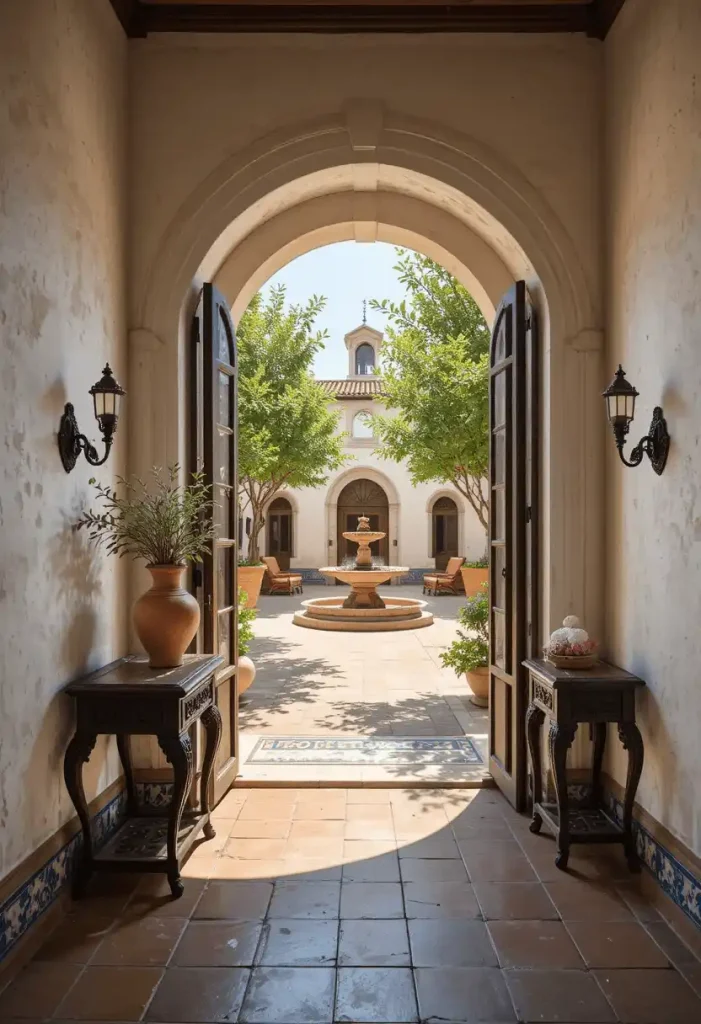
Mediterranean interior design draws from the sun-soaked domestic architecture of southern Spain, Italy, Greece, and Morocco — a tradition built around natural ventilation, shade from intense light, and materials that have been used for centuries because they work. Terracotta floor tiles, whitewashed or textured plaster walls, arched doorways and windows, wrought iron details, and handmade ceramic tiles in warm cobalt and ochre are all defining elements. Furniture tends toward the substantial and handcrafted — dark carved wood, leather, and linen upholstery. Indoor plants and fresh herbs blur the boundary between inside and outside. The overall effect is warm, sensory, and deeply rooted in place — a style that feels ancient and alive simultaneously.
10. Art Deco Interior Design
Art Deco emerged in 1920s Paris and peaked in the 1930s, but its influence on contemporary interior design has never fully faded because the aesthetic is so inherently glamorous and self-assured. The defining characteristics are bold geometric patterns, luxurious materials — marble, lacquer, mirrored glass, gilded brass, velvet — rich jewel-toned color palettes of emerald, sapphire, amethyst and gold, and a general attitude of unabashed opulence. Furniture has strong geometric silhouettes with deeply upholstered surfaces and brass or gold hardware. Lighting in an Art Deco interior is always dramatic — oversized chandeliers, stepped floor lamps, backlit panels. When executed with restraint, Art Deco creates interiors of extraordinary visual impact and a timeless sense of occasion.

11. Transitional Interior Design
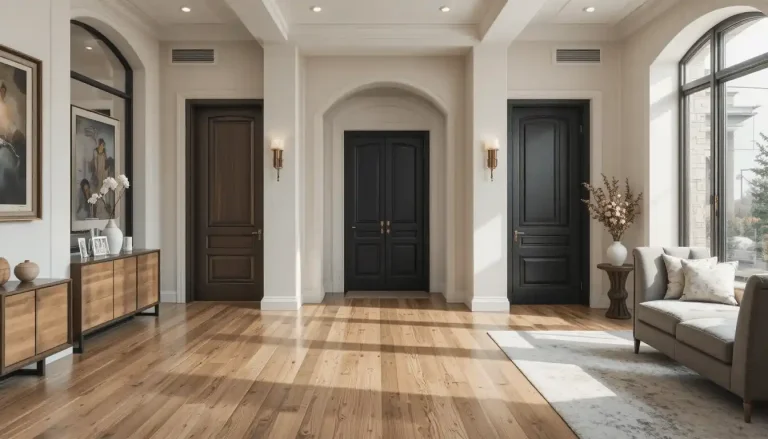
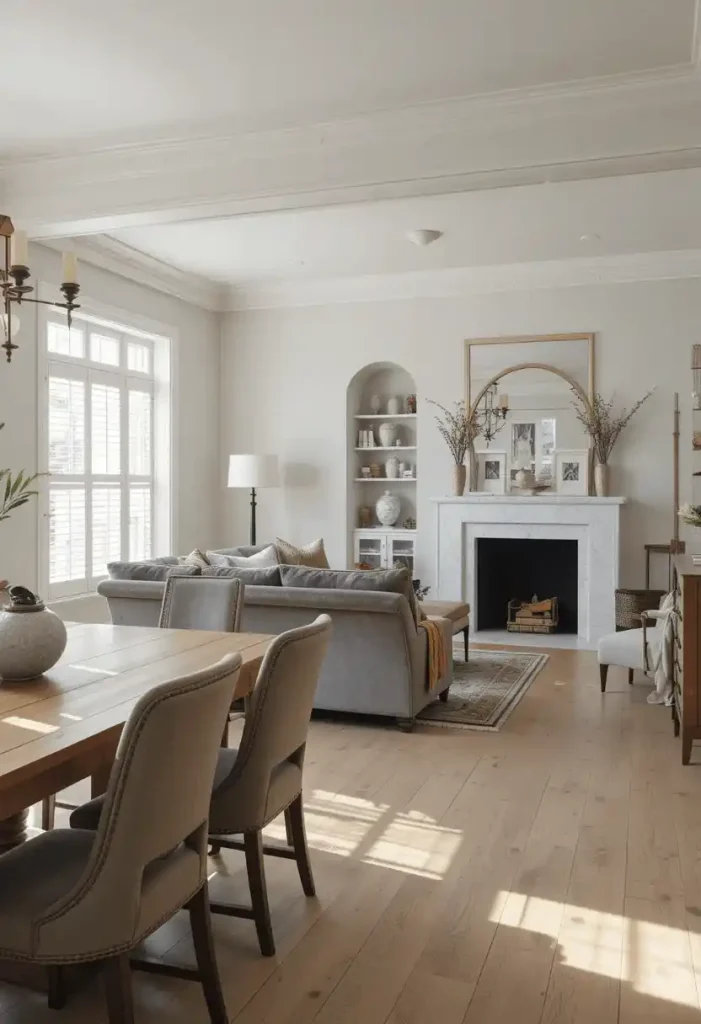
Transitional design is the most widely practiced residential interior style in the world, even if most homeowners do not know it by name. It occupies the considered middle ground between traditional and contemporary, taking the comfort and warmth of classic design and pairing it with the cleaner lines and edited palette of modern. The result is a home that feels neither dated nor aggressively trend-driven — refined, comfortable, and genuinely livable across generations and changing tastes. Neutral palettes, quality upholstered furniture with clean profiles, natural stone surfaces, and carefully chosen antique or vintage pieces alongside newer contemporary elements define the transitional interior. It is the style that ages most gracefully of all.
12. Japandi Interior Design
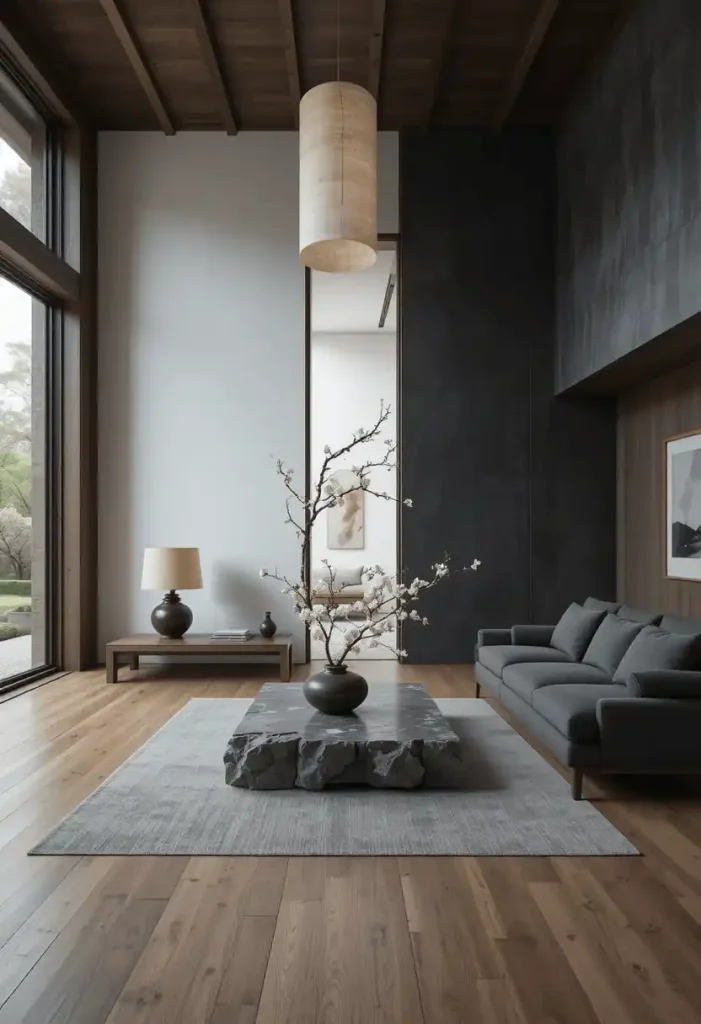
Japandi is one of the most significant interior design movements of the 2020s — a hybrid aesthetic that merges Japanese wabi-sabi philosophy with Scandinavian hygge sensibility. The result is a design language of extraordinary restraint, natural beauty, and quiet depth. Color palettes run toward deep charcoals, warm blacks, muted earth tones, and soft whites. Natural materials are used with great intentionality — dark oiled wood, handmade ceramics, natural linen, stone, bamboo. Furniture sits low to the ground in the Japanese tradition, and every object in a Japandi interior has been chosen for its inherent beauty and purpose. Negative space is treated as an active design element rather than simply emptiness — what is absent is as considered as what is present.
13. Maximalist Interior Design
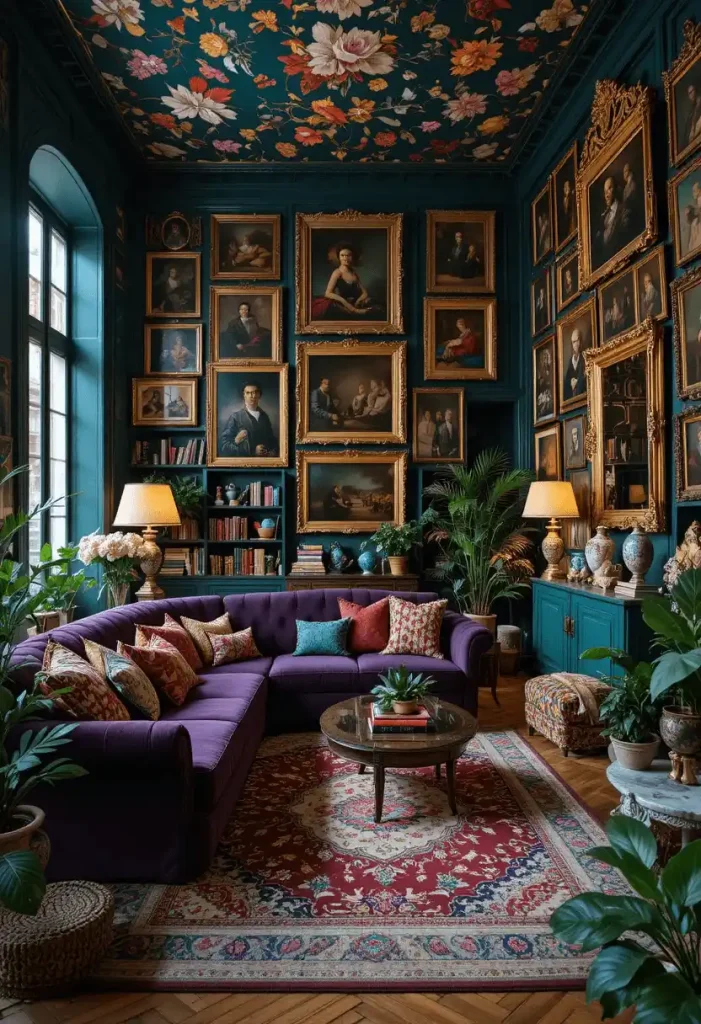
Maximalism is minimalism’s confident, unapologetic counterpart — and it is having a significant cultural moment. Where minimalism subtracts, maximalism adds, layers, collects, and celebrates. A maximalist interior is rich in color, pattern, texture, and object — gallery walls crowded with meaningful art, shelves lined with books and collected objects, bold wallpaper patterns in rooms with equally bold furniture, mismatched colors that somehow cohere through the sheer confidence of their combination. The key distinction between maximalism and clutter is curation — a maximalist interior is deliberately composed, each addition considered for how it contributes to the overall visual richness. Done well, maximalism creates rooms of extraordinary personality and genuine joy.
14. Traditional Interior Design
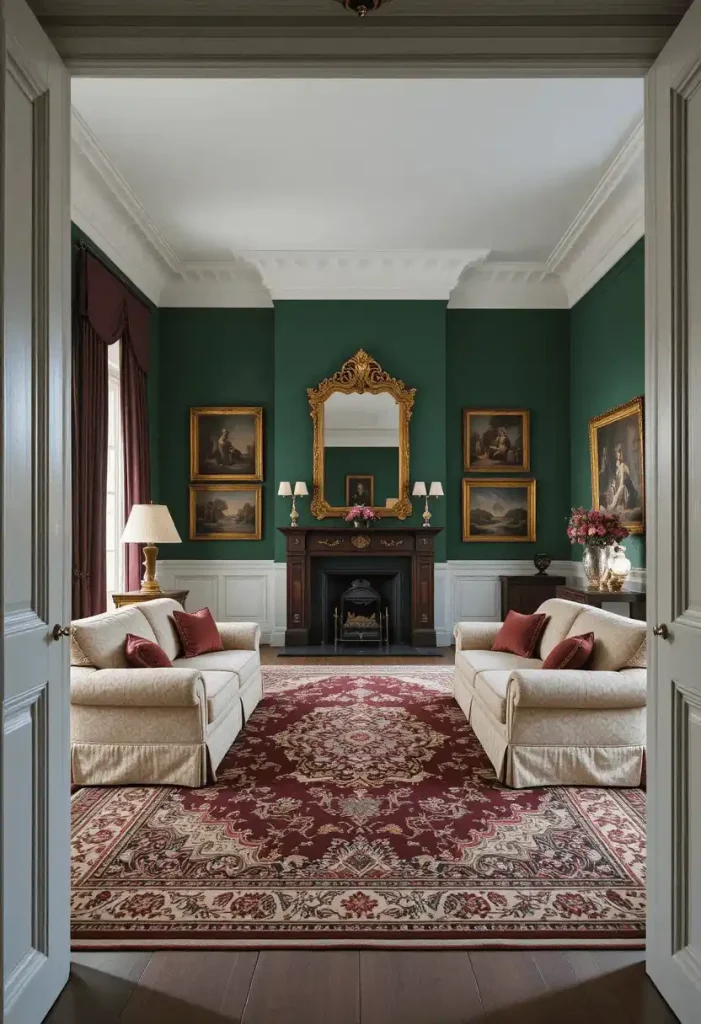
Traditional interior design draws from the decorative arts of eighteenth and nineteenth century Europe — a heritage of craftsmanship, symmetry, rich materials, and formal beauty that has furnished the most admired rooms in the world for over two centuries. Defining elements include furniture with curved lines and carved wood detailing, upholstered pieces in silk, damask or velvet, formal window treatments with layered drapes and valances, Persian or Oriental area rugs, and walls hung with oil paintings or fine prints in gilt frames. Color palettes are rich — deep burgundy, hunter green, navy, gold, and ivory. Traditional interiors communicate permanence, history, and a deep respect for craft — qualities that become more rather than less appealing as the world moves faster.
15. Biophilic Interior Design
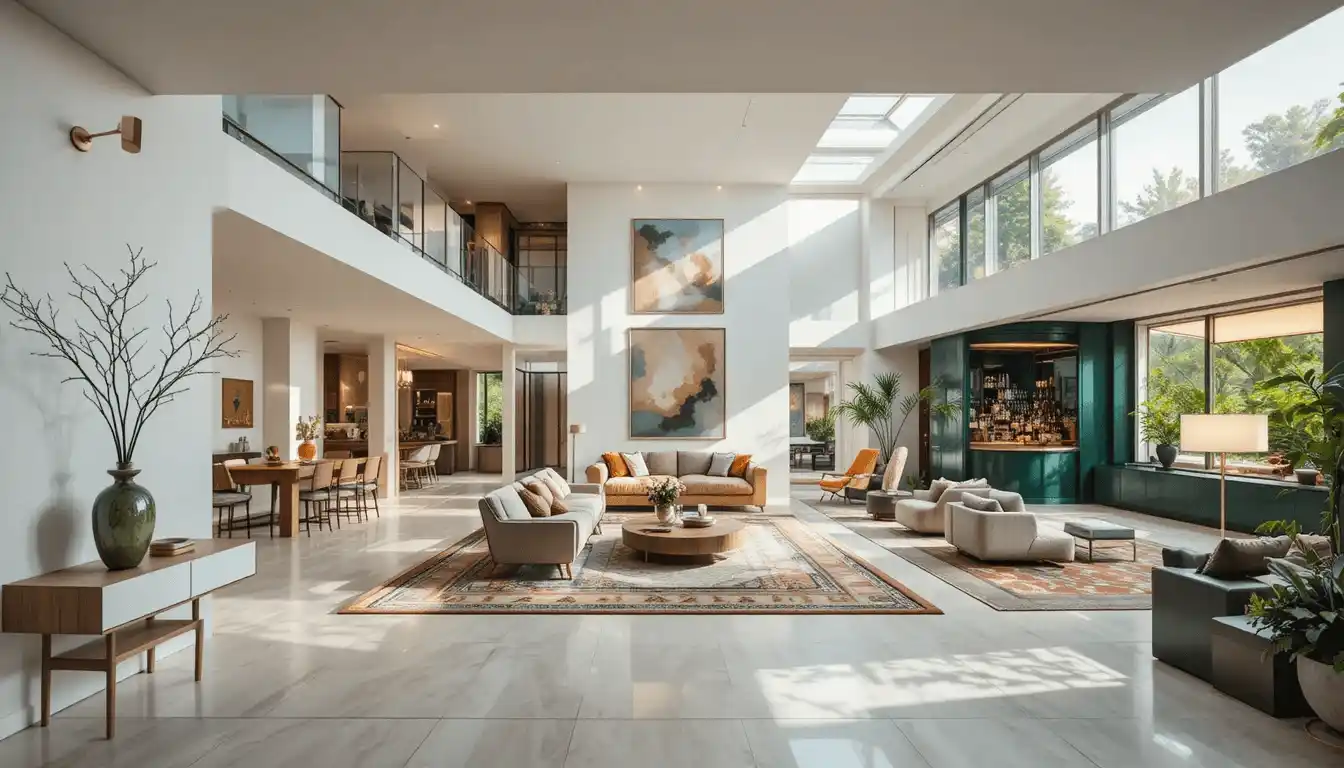
Biophilic design is rooted in a simple but profound insight from environmental psychology — human beings are hardwired to feel better in spaces that connect them to the natural world, and modern built environments systematically deny them that connection. Biophilic interior design addresses this by integrating nature into the built environment in layered, intentional ways — abundant living plants at every level from floor to ceiling, natural materials throughout, maximum natural light through large windows and skylights, water features for sound and movement, natural ventilation, and views of green space wherever possible. Research consistently demonstrates that biophilic spaces reduce stress, improve cognitive function, and increase overall wellbeing — making this not just the most visually beautiful design approach but the most scientifically supported one as well.

Final Thoughts
The most important thing to understand about interior design styles is that they are starting points rather than prescriptions. The homes that feel most alive and most personal are almost always the ones that blend elements from multiple styles — the minimalist who keeps one maximalist gallery wall, the farmhouse devotee who incorporates a single piece of Japanese ceramics, the Scandinavian purist who allows one Moroccan rug to ground the living room floor.
Start by identifying not just the aesthetic you are drawn to but the feeling you want your home to produce in you when you walk through the door. The right interior design style is the one that makes your home feel most genuinely, unmistakably yours.