
15 Pot Painting Ideas That Turn Ordinary Pots Into Stunning Works of Art
Painting a pot sounds simple — and in the best possible way, it is. But the difference between a pot that looks like a quick craft project and one that looks like it belongs in a carefully curated home or garden comes down to just a few things: the right technique, a considered design, and a little patience. Whether you are a complete beginner picking up a brush for the first time or an experienced crafter looking for fresh inspiration, this guide covers 15 pot painting ideas that range from beautifully simple to genuinely impressive — each one chosen because it produces results worth displaying.
Complete Guide to the Best Pot Painting Ideas in 2025
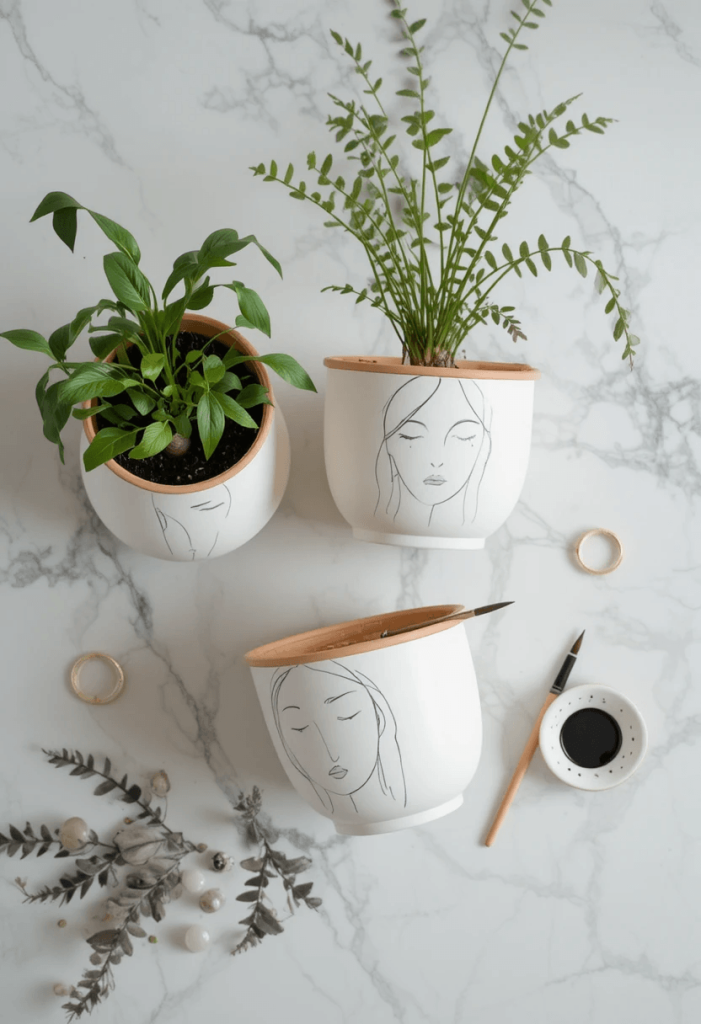
1. Minimalist Line Art
A single continuous line drawing painted in black on a white or cream terracotta pot is one of those ideas that looks deceptively simple and produces results that feel genuinely artistic. The technique involves painting your pot in a smooth matte white or chalk paint base coat, allowing it to dry completely, and then using a fine liner brush and black acrylic paint to draw a single unbroken flowing line that suggests a face, a botanical form, or an abstract shape. The beauty of line art is in its imperfection — a slightly wobbly line adds character rather than detracting from it. These pots look extraordinary grouped together in threes on a windowsill or shelf, each with a slightly different line drawing but sharing the same black and white palette.
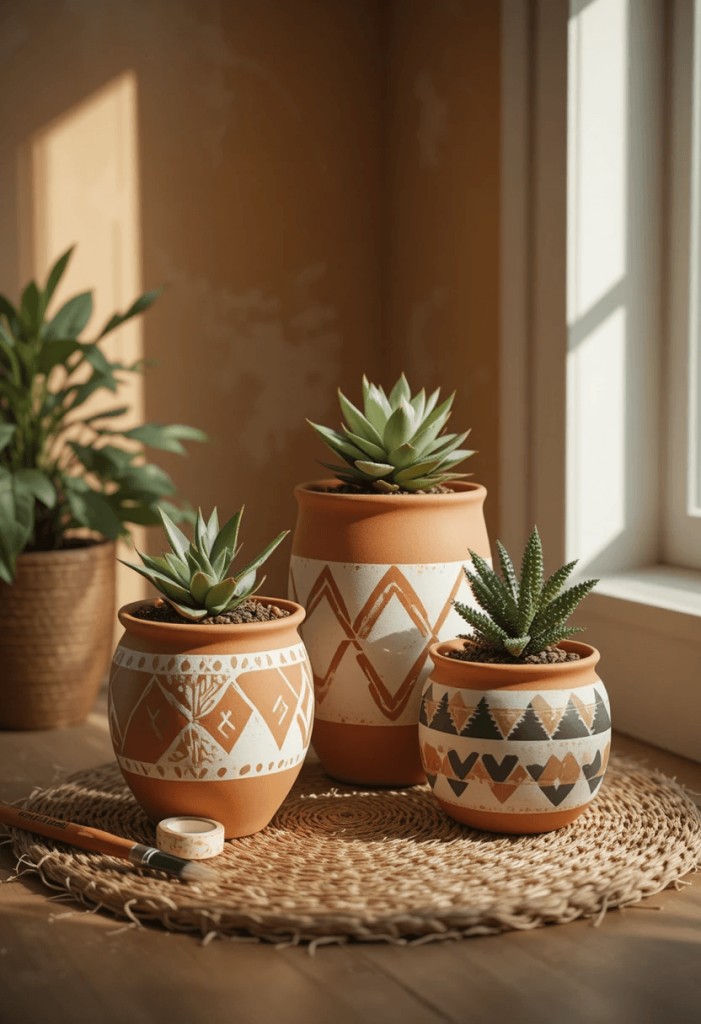
2. Terracotta Boho Geometric Pattern
Geometric patterns painted directly onto natural terracotta create a boho-inspired look that works beautifully in both indoor and outdoor settings. The warm earthy orange of raw terracotta acts as one of your colors, with white, cream, black and occasional mustard yellow geometric shapes — triangles, diamonds, zigzags and cross-hatching — painted over it in deliberate sections. Masking tape is your best friend for this technique, allowing you to achieve clean sharp edges without a steady hand. The finished result has a handmade Southwestern or Moroccan-inspired quality that looks genuinely artisanal and pairs beautifully with trailing plants like string of pearls or pothos.
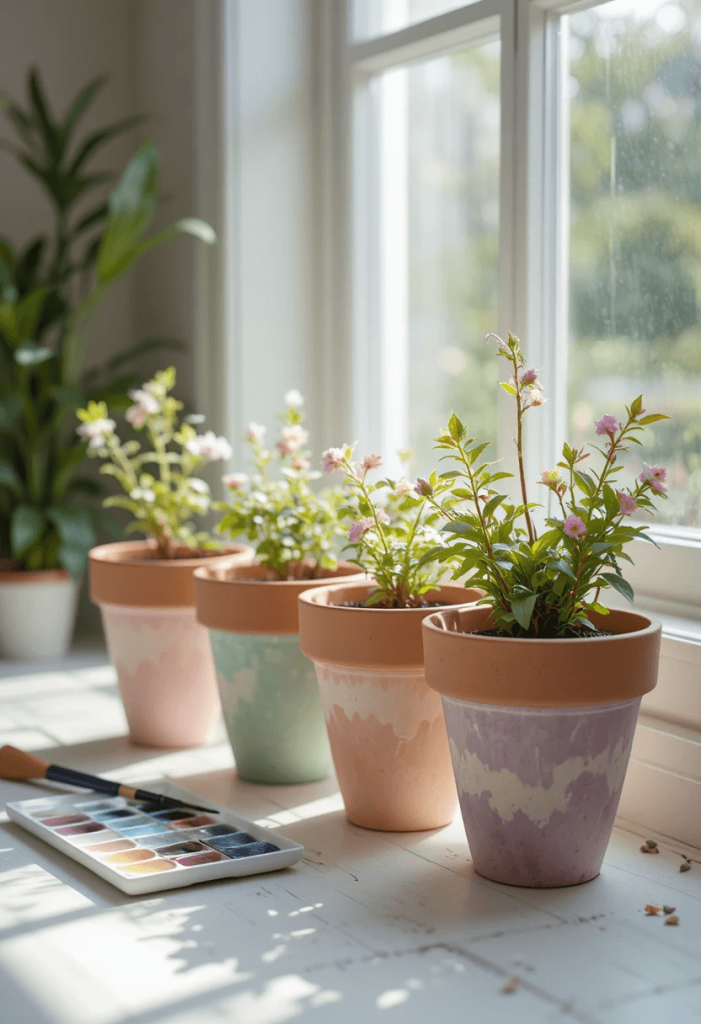
3. Watercolor Wash Effect
Achieving a watercolor effect on a terracotta pot requires a slightly different approach than painting on paper, but the results are among the most beautiful of any pot painting technique. The key is diluting acrylic paints heavily with water and applying them in loose overlapping layers on a white gesso-primed pot surface, allowing each layer to dry slightly before adding the next. Soft washes of dusty pink, lavender, pale sage green and ivory blend at the edges creating a dreamy, translucent quality that mimics real watercolor beautifully. A final coat of matte varnish protects the finish while preserving the soft delicate quality of the painted surface.
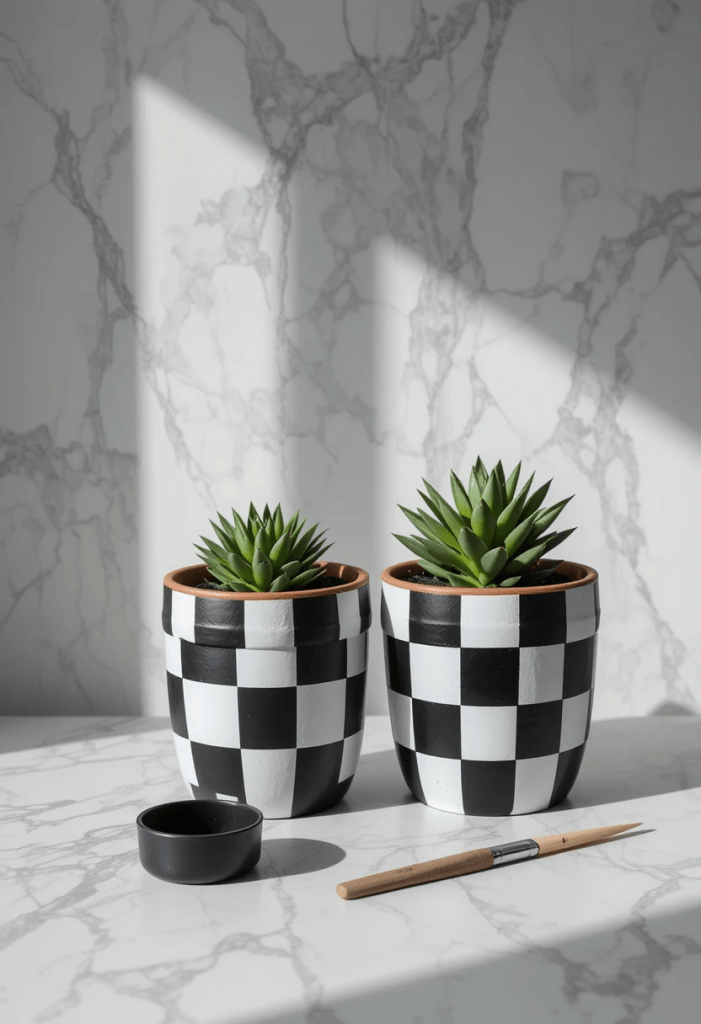
4. Black and White Checkerboard
A bold black and white checkerboard pattern transforms the most ordinary terracotta pot into a graphic statement piece that works equally well in a maximalist interior or as a deliberate contrast element in a minimalist space. The technique uses masking tape applied in precise grid lines to create perfect squares, alternating between matte black and chalk white paint. The key to a professional result is pressing the masking tape edges down firmly with a fingernail before painting to prevent bleed, and peeling the tape away at a 45-degree angle while the paint is still slightly tacky. Plant with a simple green succulent or a single stem plant to let the graphic pattern take center stage.
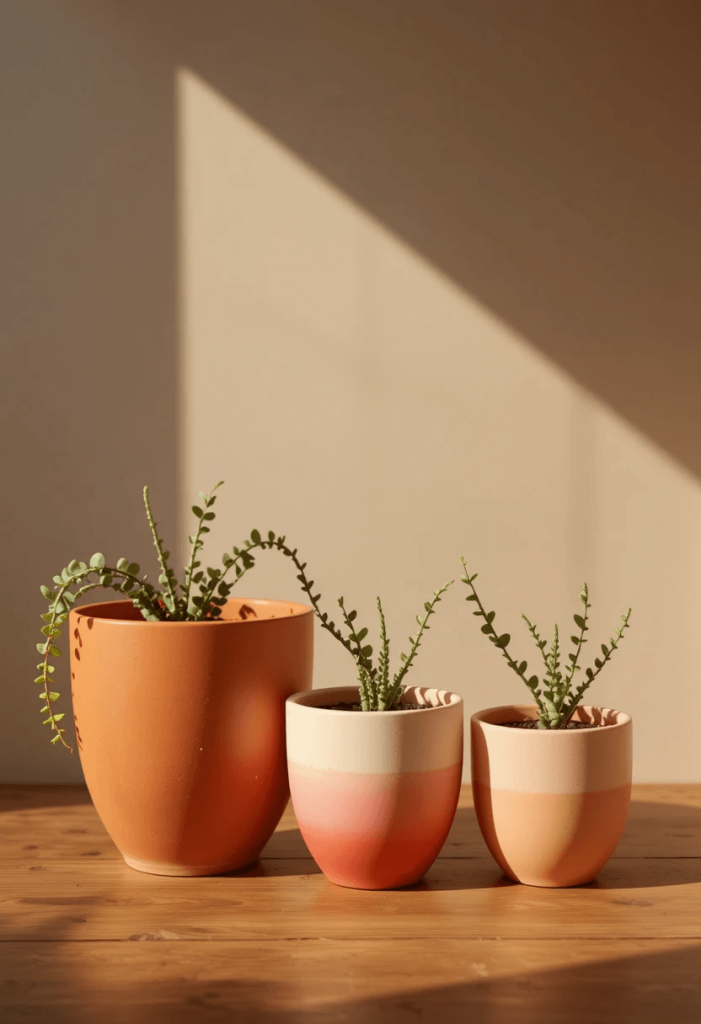
5. Sunset Ombre Effect
An ombre pot painted in the warm spectrum of a sunset — deep terracotta orange at the base transitioning through coral, dusty pink, soft peach and finally pale ivory or cream at the rim — is one of the most visually striking pot painting techniques available. The blending is achieved while the paint is still wet, using a flat brush in light horizontal strokes across the transition zones between colors. The gradient works with the natural warm tone of terracotta beautifully, making the transition feel organic rather than forced. These pots look spectacular displayed in a group of three in graduating sizes, each painted in the same sunset palette but with slightly different color emphasis.
6. Botanical Leaf Print
Using real leaves as stamps to create botanical prints on painted pots produces results that are simultaneously organic and precise in a way that is almost impossible to achieve freehand. The technique involves coating the underside of a fresh leaf — one with prominent veins like a fiddle leaf, a fern frond, or a eucalyptus branch — in a thin layer of acrylic paint and pressing it firmly onto the pot surface before lifting cleanly away. Repeating with overlapping prints in two or three tones of green, sage and white on a deep navy or terracotta base creates a lush botanical pattern that looks genuinely sophisticated. No two prints are ever exactly identical, which gives the finished pot an authentically handcrafted quality.

7. Faces and Portrait Pots
Painting simple abstract faces onto pots has been one of the most popular pot painting trends of recent years — and the appeal is easy to understand. A simple oval face shape with closed eyes, a small nose suggestion and full lips painted in terracotta or black on a cream base has a quiet, meditative quality that makes it feel more like a small sculpture than a painted pot. The plant growing from the top becomes the face’s hair, which adds a playful and unexpected dimension to the piece. Beginners need not worry about achieving perfect proportions — slightly asymmetric features add charm rather than detracting from the overall effect.

8. Indigo Blue Pottery Style
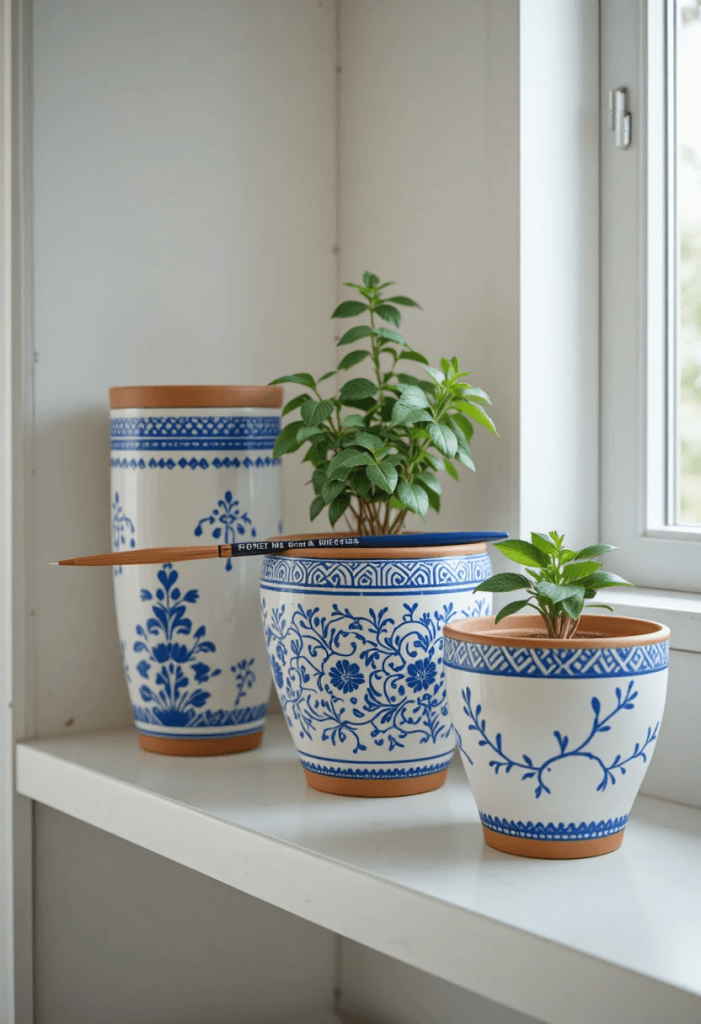
Painting a terracotta pot to mimic the appearance of traditional indigo blue and white pottery — the style seen in Chinese porcelain, Dutch Delftware, and Portuguese azulejo tiles — produces one of the most elegant results in pot painting. The technique begins with two coats of chalk white paint as a base, followed by detailed painting in cobalt and indigo blue acrylic paint using a fine liner brush to create botanical motifs, geometric borders, and delicate floral patterns. The imprecision of hand painting actually enhances the authentic pottery quality — it should look hand-done because it is. These pots look extraordinary displayed on open kitchen shelving or a bathroom windowsill.
9. Pastel Color Block
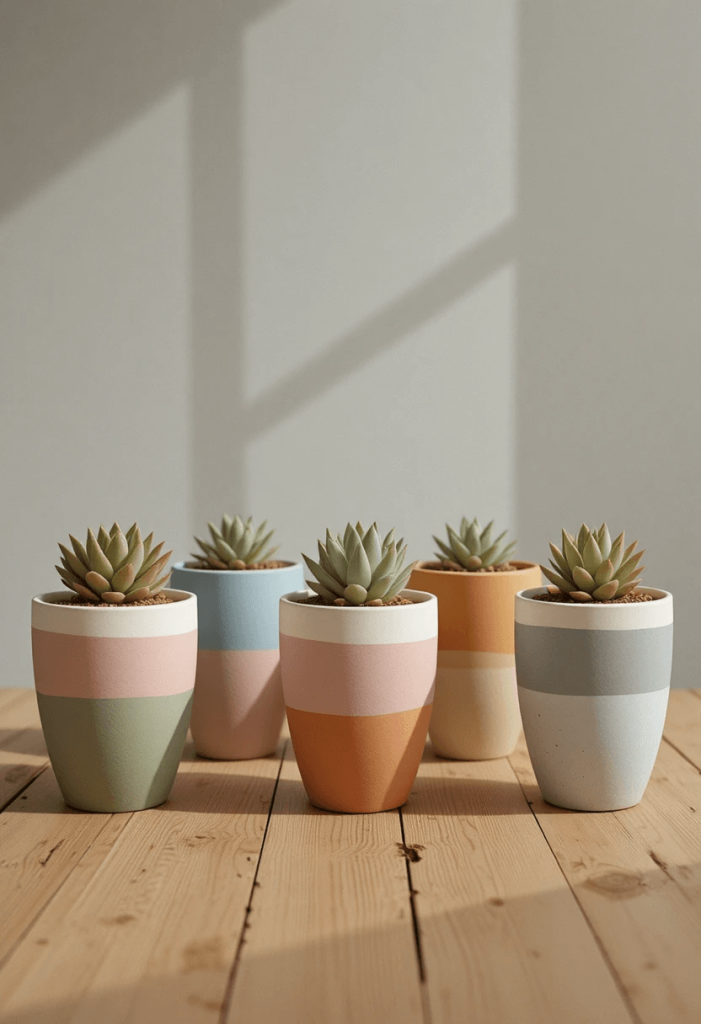
Color blocking — painting different sections of a pot in distinct, flat pastel colors separated by clean horizontal or diagonal lines — is one of the most graphic and contemporary pot painting techniques available. Soft sage green on the lower third, dusty pink on the middle section, and pale ivory on the upper rim, separated by thin lines of raw terracotta or gold paint, creates a color palette that feels both playful and sophisticated. The technique is forgiving for beginners because the flat areas of color require no blending skill, and masking tape handles the clean lines between sections. The finished pots look like they belong in a design-forward florist or boutique plant shop.
10. Galaxy and Night Sky
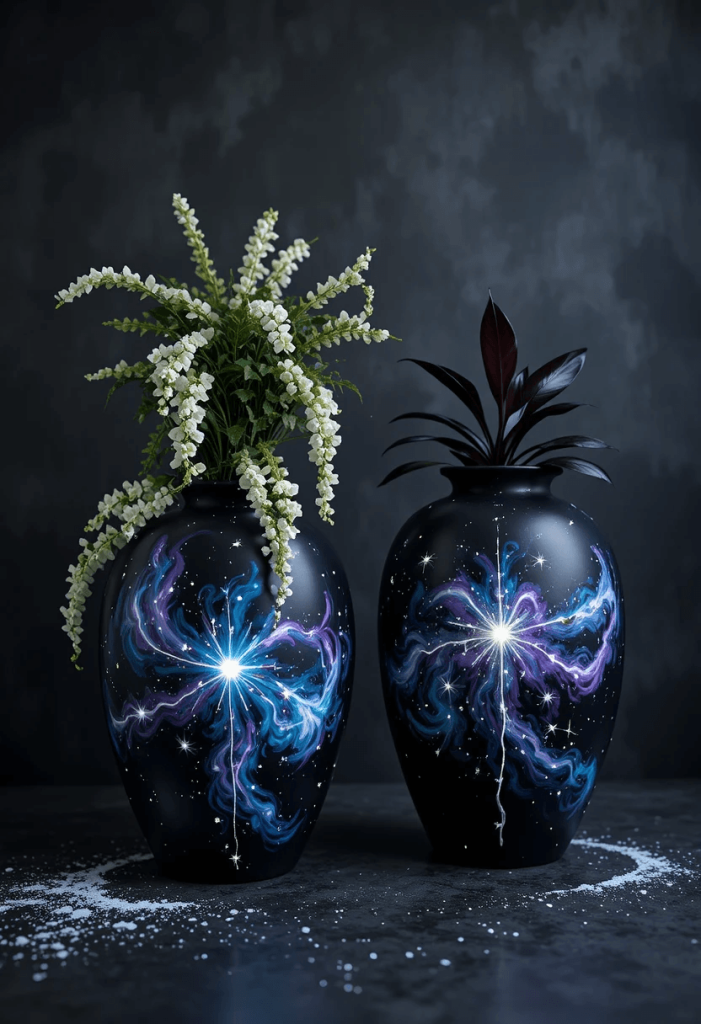
A galaxy-painted pot transforms an ordinary terracotta container into something that looks genuinely otherworldly. The technique begins with two coats of matte black as a base, followed by dry-brushed layers of deep navy, purple and dark teal to build the nebula cloud effect. Stars are added using a stiff bristle brush loaded lightly with white paint and flicked or splattered across the surface, with a few larger dots added using the tip of a fine liner brush. A small sponge dabbed in white creates the dense star cluster effect at the center of the nebula. These pots are particularly popular with children but look equally striking in an adult space planted with a cascading string of pearls.
11. Abstract Brushstroke Art
Large loose abstract brushstrokes painted in two or three complementary colors on a white or cream base create pots that look like miniature abstract canvases — genuinely artistic and completely unique. The technique uses a wide flat brush loaded generously with paint and swept across the pot surface in confident single strokes, overlapping slightly and allowing the colors to mix at the edges. Warm terracotta orange, dusty sage green and ivory on a white base is a particularly beautiful combination. The confidence of the brushstroke is everything — hesitant half-strokes look unresolved, while bold committed marks look intentional and expressive. These pots reward decisiveness.

12. Moroccan Tile Pattern
Painting an intricate Moroccan-inspired tile pattern onto a pot surface requires patience and a fine liner brush, but the results are among the most impressive of any pot painting project. The pattern typically features an eight-pointed star as the central motif, surrounded by interlocking geometric shapes in a repeating pattern that covers the entire pot surface. Working in cobalt blue, white and black on a terracotta base captures the authentic Moroccan zellige tile aesthetic beautifully. Penciling the pattern lightly onto the pot surface before committing with paint makes the project far more manageable, and the finished result is genuinely breathtaking displayed on a terrace or balcony.

13. Drip Glaze Effect
A drip-painted pot mimics the appearance of a professionally glazed ceramic with a technique that is far more achievable than it looks. The base coat — typically a deep jewel tone like forest green, cobalt blue or burnt sienna — is applied smoothly and allowed to dry completely. A contrasting drip color mixed to a slightly thicker consistency than normal acrylic is then applied along the rim of the pot in deliberate drops, allowing gravity to pull each drip downward at its own pace and length. The random variation in drip length and spacing is what gives the technique its authentic glazed pottery quality. Sealing with a gloss varnish completes the ceramic illusion convincingly.

14. Festive Holiday Pot
Painting terracotta pots for specific holidays or seasonal celebrations is one of the most reliably joyful pot painting projects — both to make and to display. A Christmas pot in deep forest green with hand-painted gold stars, white snowflake patterns and a red ribbon detail around the rim looks genuinely beautiful displayed on a mantelpiece or entrance table planted with rosemary trimmed into a miniature tree shape. An autumn harvest pot in warm burnt orange with hand-painted pumpkins and falling leaves works beautifully as a seasonal decoration. The seasonal nature of these pots makes them feel special and anticipated rather than permanent fixtures.

15. Personalized Name or Quote Pot
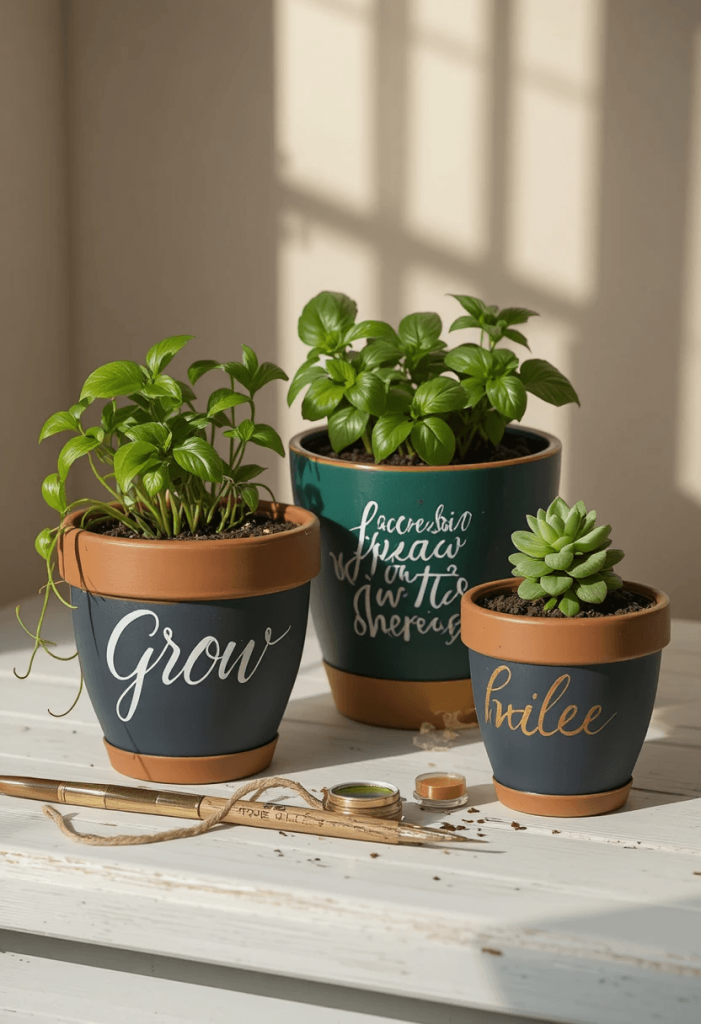
A pot painted with a name, a meaningful word, or a short quote in beautiful hand lettering is one of the most personal and giftable pot painting projects possible. The technique works best on a smooth matte base coat in a deep color — navy, forest green, terracotta or charcoal — with the lettering painted in white, gold or cream using a fine liner brush. Practicing the lettering on paper first is essential, and transferring the design lightly in pencil before painting helps enormously. A personalized pot planted with someone’s favorite herb or houseplant makes a genuinely thoughtful gift that feels handmade without looking homemade.
Final Thoughts: Starting Your Pot Painting Journey
The most important thing about pot painting is that it rewards experimentation rather than perfection. The techniques in this guide range from genuinely beginner-friendly — the line art, the color block, the abstract brushstroke — to more involved projects like the Moroccan tile pattern and the indigo pottery style that reward patience and practice with extraordinary results.
Start with one pot, one technique, and the colors that genuinely appeal to you rather than following a trend. Keep a few basics on hand — good quality acrylic paint, a range of brush sizes including at least one fine liner, masking tape, a white gesso primer, and a matte or gloss varnish for sealing — and the rest is simply the pleasure of making something beautiful with your own hands. That pleasure, it turns out, never gets old.